
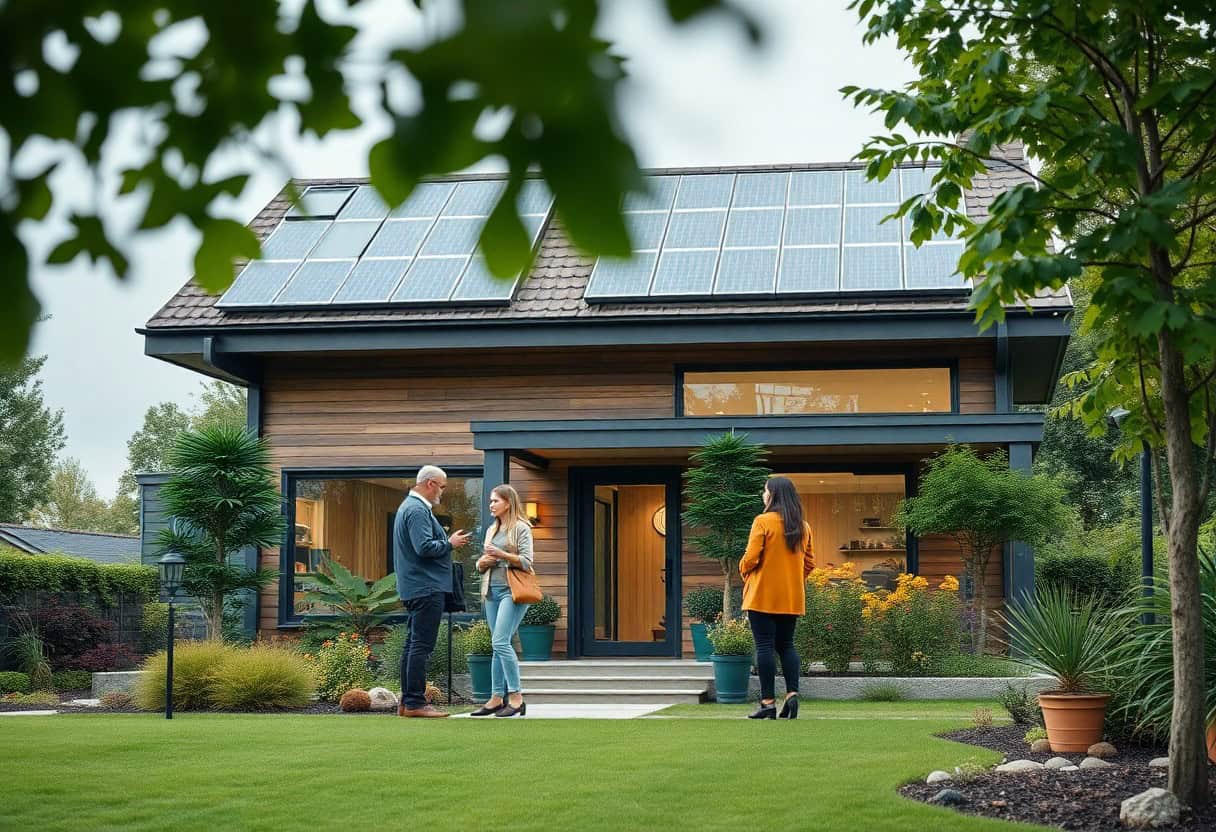
As the awareness of environmental issues is growing, the housing industry has begun to adopt sustainable practices in order to meet the needs of green-conscious buyers. Modern construction of homes incorporates new designs and materials that encourage energy efficiency, decrease carbon footprints, and boost overall health and well-being.
Vantage Homes is a top homebuilder located in Colorado Springs, Colorado, has been leading the development since 1983. With a focus on high-end, custom home designs for single families, Vantage Homes emphasizes energy efficiency, practicality, and aesthetic appeal when designing their homes. Their commitment to sustainability, as well as the satisfaction of their customers, has earned Vantage Homes a reputable name in the market.
Embracing Sustainable Building Materials
A major change is the trend towards environmentally friendly construction materials. The traditional building materials are often responsible for environmental degradation, causing builders to look for green alternatives. For example, using recycled or reclaimed materials not only helps reduce waste but gives a distinctive look to houses. The majority of these materials are produced locally, thereby reducing the environmental impact of transport.
Energy-Efficient Designs
The efficiency of energy consumption is at the top of sustainable design for homes. Heating and cooling methods that are passive, like strategically placed windows and the use of thermal mass material, can dramatically reduce the energy consumption of a home. Using high-performance insulation as well as energy-efficient windows can further increase a house’s capacity to sustain comfortable temperatures while consuming minimal energy.
Integration of Smart Home Technology
Technology for smart homes is now vital in the design of eco-friendly homes. With the help of smart devices, homeowners can manage and improve their energy usage, which makes their homes greener. Features like thermostats that can be programmed as well as energy-efficient lighting systems and smart appliances, are all part of an overall energy efficiency in a house.
Biophilic design along with Natural Elements
The popularity of Biophilic designs is increasing, and homeowners are seeking to include natural elements in their homes. This style of design is based on natural light, airflow, and natural materials such as stone and wood to create a peaceful living space. The indoor plants and the green walls can further strengthen the connection between people and nature, which can help improve wellbeing and the quality of the air.
Water Conservation Strategies
Water conservation is a crucial element of living sustainably. Implementing water capture and greywater recycling techniques can drastically reduce the use of water in households. Installations with low flow, drought-resistant landscaping, and efficient irrigation systems can also reduce water usage.
Certifications, as well as Standards
Conforming to accepted green building standards will ensure that buildings meet certain environmental criteria for sustainability. Certifications such as that of the National Green Building Standard (NGBS) offer guidelines for water conservation, energy efficiency, and indoor environmental quality. These standards aid homeowners and builders in adopting sustainable construction practices in homes.
Conclusion
The move to sustainable living in new home building is a reflection of a wider dedication to environmental stewardship as well as efficiency in energy use. Through the use of eco-friendly products, energy-efficient designs, intelligent technologies, and biophilic components, homeowners can have healthier living spaces and make a positive impact on the environment.
Builders such as Vantage Homes exemplify this commitment by offering energy-efficient, customizable homes that are designed to meet contemporary homeowners’ demands.