
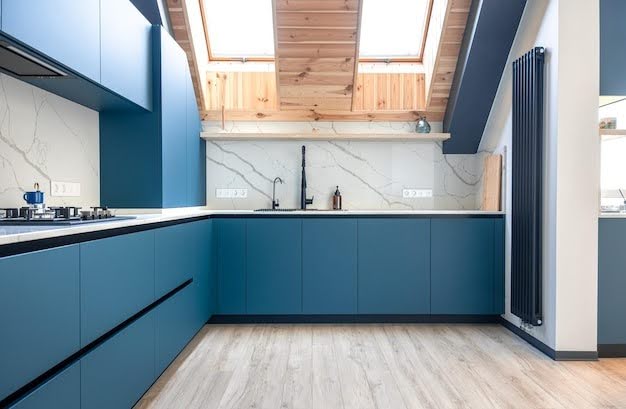
The kitchen is one of the most frequently used areas of a home, so its condition can have a major impact on everyday comfort and convenience. Over time, cabinets, appliances, flooring, countertops, and plumbing fixtures can become outdated or damaged. Recognizing the signs that your kitchen needs an upgrade can help you decide when kitchen renovation is worth considering and allow you to create a space that better suits your household’s needs.
1. Outdated Kitchen Design
One of the clearest signs is an old-fashioned design that no longer matches your home’s style or your personal preferences. Dated cabinets, colors, fixtures, and layouts can make the entire space feel less appealing.
A kitchen renovation can introduce modern finishes and a more practical design while giving the room a refreshed appearance.
2. Not Enough Storage Space
If countertops and cabinets are constantly overflowing, your kitchen may not have enough storage. Limited cabinet space can make it difficult to organize cookware, appliances, food, and other essentials.
Adding larger cabinets, pull-out storage, pantry solutions, or better-designed drawers can make the available space much more useful.
3. Damaged Cabinets and Countertops
Cracked countertops, broken cabinet doors, peeling finishes, or damaged hardware can make a kitchen difficult to maintain.
Minor issues can sometimes be repaired, but extensive wear may indicate that replacement is more practical. Updating these surfaces can improve both the appearance and functionality of the room.
4. Poor Kitchen Layout
A kitchen may have enough space but still feel uncomfortable because of an inefficient layout. If appliances are too far apart, walkways are crowded, or food preparation areas are poorly positioned, everyday cooking can become frustrating.
A kitchen renovation provides an opportunity to reconsider the placement of cabinets, appliances, islands, and work surfaces.
5. Aging or Inefficient Appliances
Older refrigerators, ovens, dishwashers, and other appliances may consume more energy or lack modern features. Frequent breakdowns can also lead to increasing repair costs.
Replacing aging appliances with suitable modern models can improve convenience and may help reduce energy consumption depending on the equipment selected.
6. Plumbing or Electrical Problems
Frequent leaks, low water pressure, faulty outlets, flickering lights, or insufficient electrical capacity should not be ignored. These problems can affect safety and everyday kitchen use.
During a kitchen renovation, qualified professionals can assess plumbing and electrical systems and make necessary improvements as part of the broader project. Addressing these issues early can also help prevent minor plumbing or electrical problems from developing into more costly repairs later.
Final Thoughts
Knowing when to consider a kitchen renovation can help homeowners address problems before they become more difficult or expensive to manage. Outdated designs, insufficient storage, damaged surfaces, poor layouts, aging appliances, plumbing or electrical concerns, difficult-to-clean materials, inadequate lighting, and changing lifestyle needs are all signs worth considering. Before starting a project, establish clear priorities, create a realistic budget, and plan the layout carefully. A well-planned renovation can transform an inconvenient or outdated kitchen into a comfortable, functional, and attractive part of the home.